
Polyacrylamide Polymer Guides
Practical guides on polyacrylamide polymer forms, ionic families, molecular weight, specifications, solution preparation and supplier RFQs.
- INPUT
- stream data
- CHECK
- active basis
- OUTPUT
- measured result
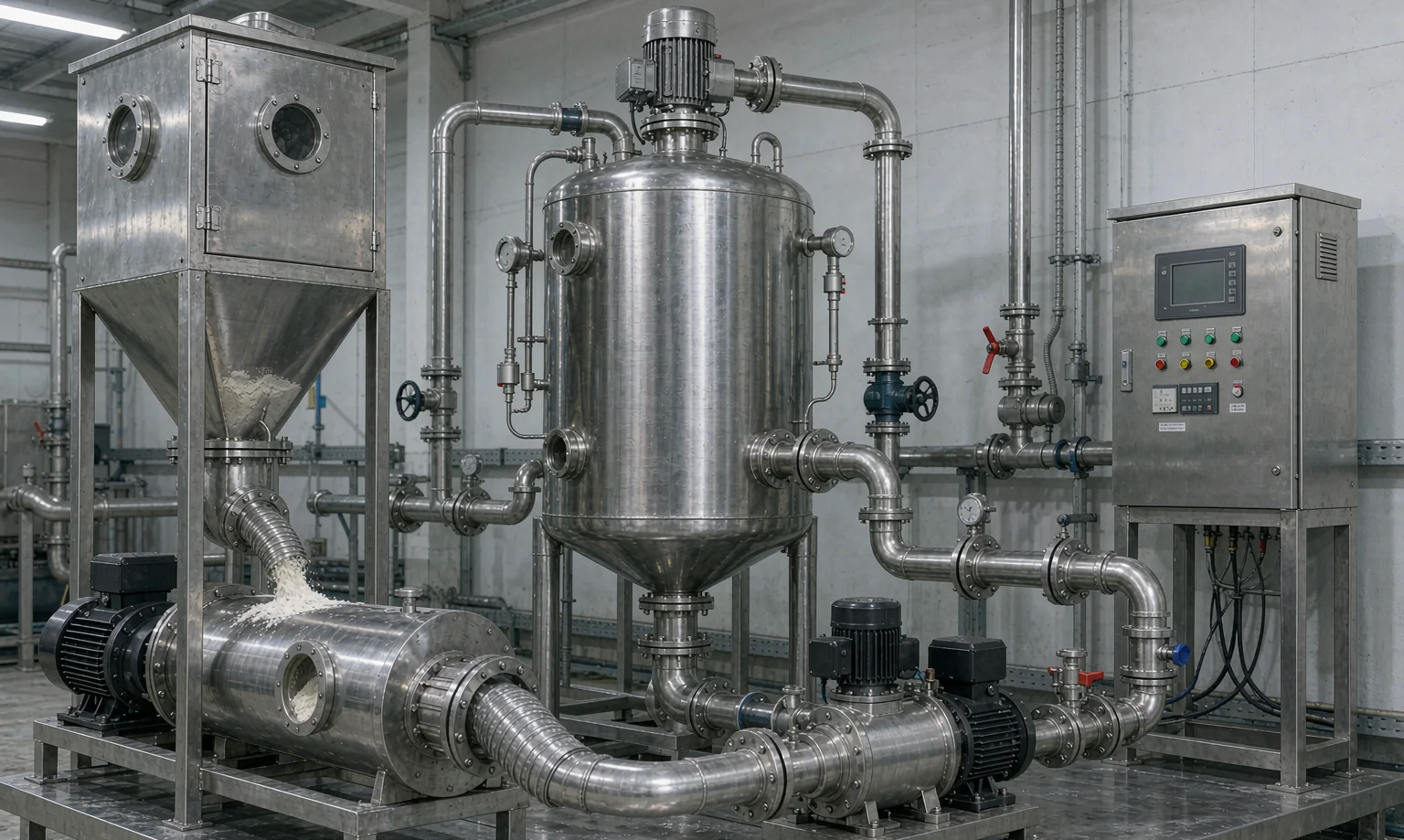
Move from product evidence to a measurable decision.
Match product form, charge and molecular weight to a grade, trial or purchasing decision.
Operating and selection fundamentals

What Is Polyacrylamide Polymer?
Understand what polyacrylamide polymer is, the families it covers, how it conditions suspended particles and what a product specification must identify.
Review qualification →
How Polyacrylamide Polymer Works: Charge and Bridging
Explain how polyacrylamide polymer conditions particles through charge neutralization and chain bridging, and how to confirm the result with a controlled test.
Review qualification →Cationic, Anionic and Nonionic Polyacrylamide Polymer Compared
Compare cationic, anionic and nonionic polyacrylamide polymer families by charge, typical feed conditions, selection tests and purchase specification.
Review qualification →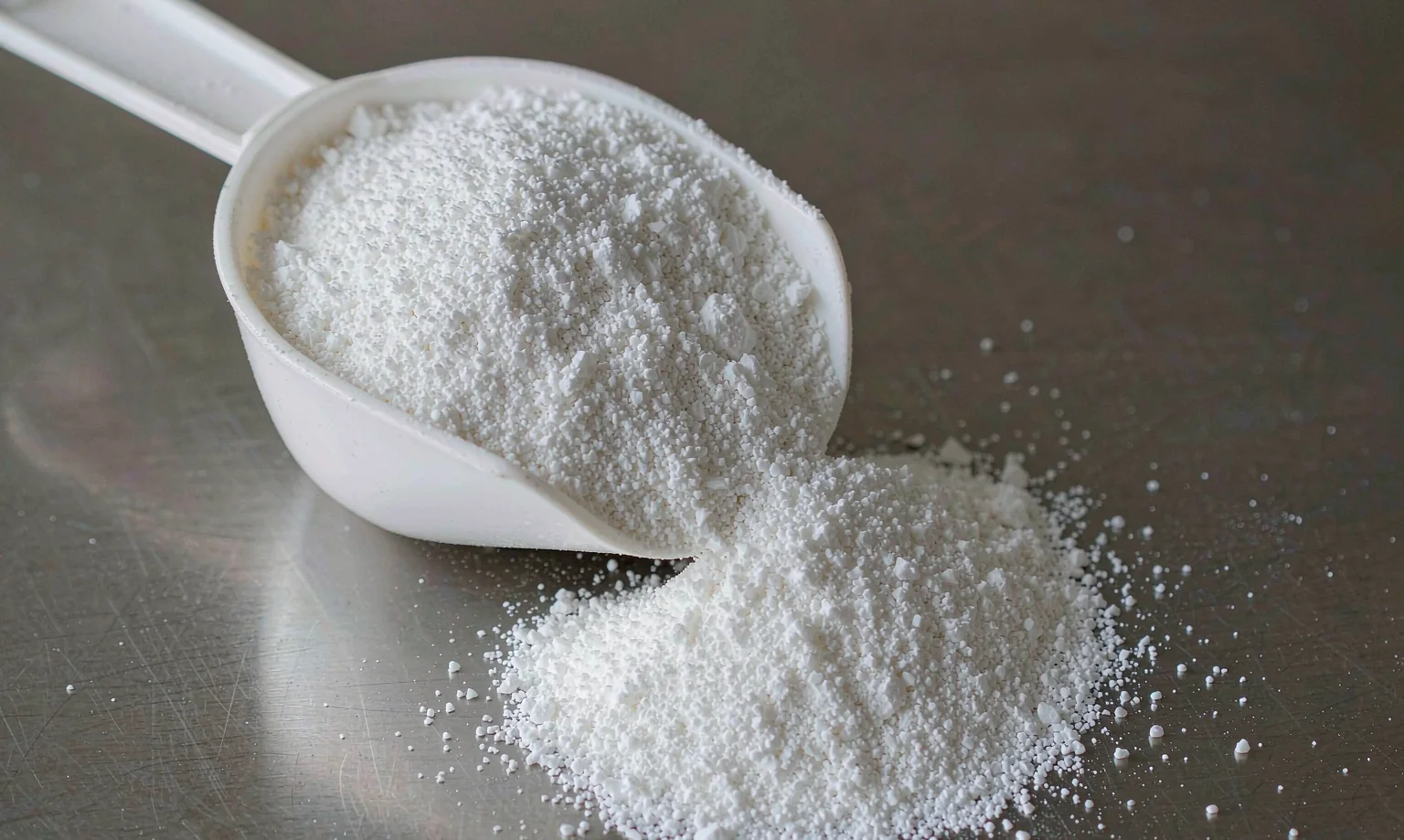
Molecular Weight in Polyacrylamide Polymer
Understand how polyacrylamide polymer molecular weight affects floc formation, shear tolerance, solution viscosity and the grade chosen for a duty.
Review qualification →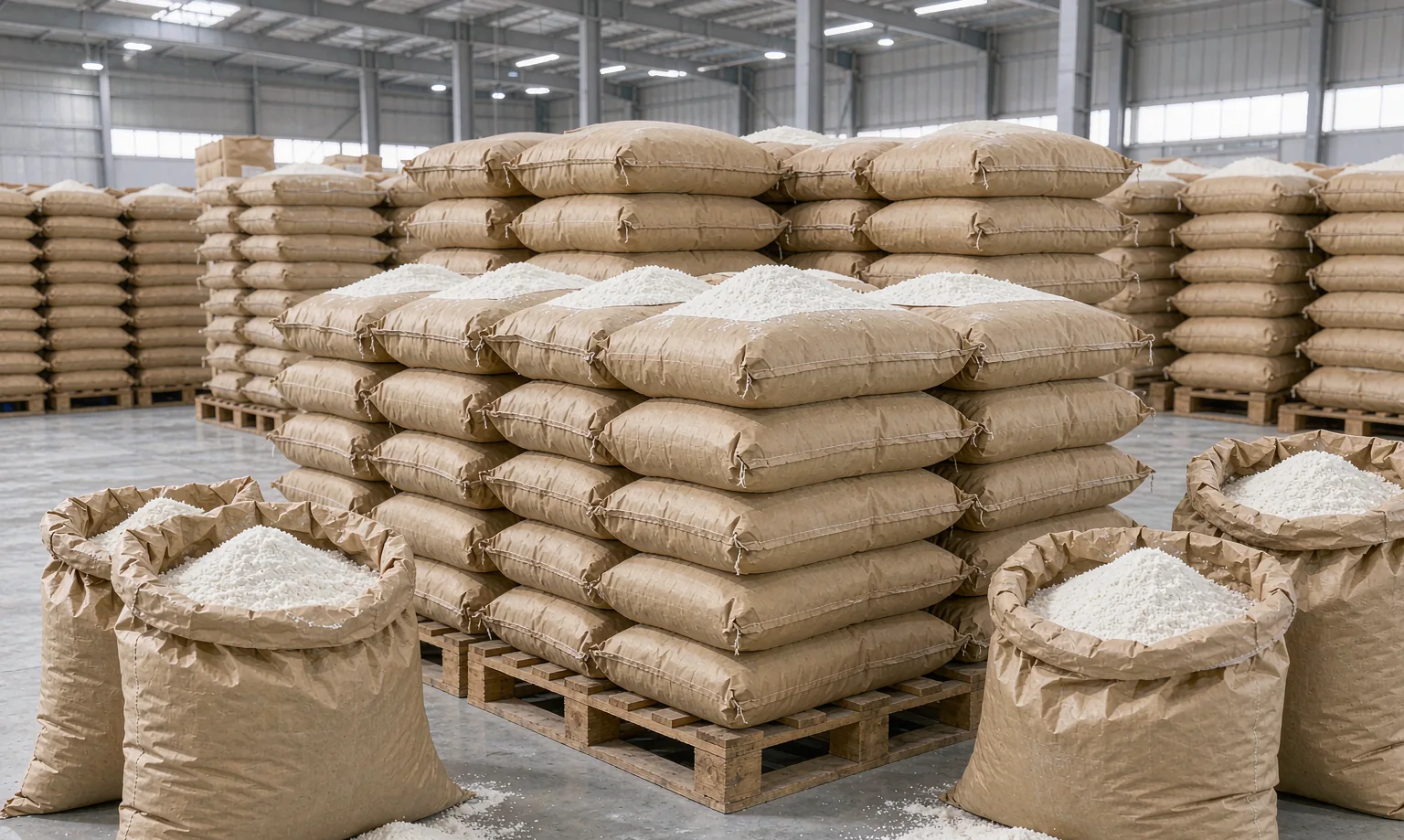
Polyacrylamide Polymer Product Forms: Powder, Emulsion and Solution
Compare polyacrylamide polymer product forms by active content, preparation equipment, storage, dosing accuracy and total cost in use.
Review qualification →How to Read a Polyacrylamide Polymer Specification Sheet
Learn which fields a polyacrylamide polymer specification must state, how to check them against a COA and SDS, and how to turn them into purchase limits.
Review qualification →Preparing a Polyacrylamide Polymer Solution
Prepare polyacrylamide polymer solution with controlled wetting, aging, dilution water and mixing energy, then verify solution quality before dosing.
Review qualification →Polyacrylamide Polymer Quality Documents and Supplier Approval
Use COA, SDS, lot identity and receiving checks to approve polyacrylamide polymer supply, and require change notification to protect performance.
Review qualification →Grade, price and preparation
Cationic Polyacrylamide Polymer: What to Put in a Grade Specification
Specify cationic polyacrylamide polymer with a defined charge basis, molecular-weight class, product form and preparation window before comparing offers.
Review qualification →Anionic Polyacrylamide Polymer: Grade Fields That Must Be Stated
Specify anionic polyacrylamide polymer by hydrolysis or charge basis, molecular-weight class, active content and the feed chemistry used to qualify it.
Review qualification →Polyacrylamide Polymer Price: Compare on an Active-Polymer Basis
Compare polyacrylamide polymer quotations on delivered active mass, preparation needs and measured consumption instead of package price.
Review qualification →High-Molecular-Weight Polyacrylamide Polymer: Quotation Checks
Check molecular-weight class, solution viscosity, aging and metering capability before accepting a high-molecular-weight polyacrylamide polymer offer.
Review qualification →Polyacrylamide Polymer Active Content: Specification and Price Basis
State how active content is declared and measured so polyacrylamide polymer grades can be compared and delivered lots verified.
Review qualification →Samples, tenders and supply approval
Polyacrylamide Polymer Trial Order: Quantity Planning
Size a polyacrylamide polymer trial order from the number of candidates, test duration and active dose, then keep it separate from routine supply.
Review qualification →Changing Polyacrylamide Polymer Supplier: Crossover Approval
Approve a polyacrylamide polymer supplier change with a paired crossover trial, a return check and a defined first-delivery acceptance plan.
Review qualification →Polyacrylamide Polymer Tenders: Technical Bid Criteria
Write tender criteria that separate technical qualification from price and ask bidders to state documentary and service exceptions explicitly.
Review qualification →Polyacrylamide Polymer First Delivery: Lot Acceptance
Define receiving checks that link the first delivered lot to the approved polyacrylamide polymer sample, COA and SDS.
Review qualification →Powder to Emulsion Polyacrylamide: Conversion Quotation
Evaluate a switch from powder to emulsion polyacrylamide polymer by active content, inversion equipment, storage and a paired trial.
Review qualification →Product specification briefs
Cationic Polyacrylamide Charge Density: Purchase Checks
Buy cationic polyacrylamide polymer by a defined charge basis and method, supported by molecular-weight class and a current-feed trial.
Review qualification →Nonionic Polyacrylamide Polymer: Low-Charge Purchase Checks
Specify nonionic or low-charge polyacrylamide polymer by molecular weight, feed chemistry and a controlled test rather than by the absence of charge.
Review qualification →Low-Molecular-Weight Polyacrylamide Polymer: Purchase Checks
Buy low-molecular-weight polyacrylamide polymer by charge, active content and measured performance, with attention to feed and mixing conditions.
Review qualification →Powder Polyacrylamide Feeder: Purchase and Capacity Checks
Select a powder polyacrylamide feeder by turndown, product flow behavior, wetting path and the make-down capacity it must serve.
Review qualification →Emulsion Polyacrylamide Inversion Unit: Purchase Checks
Specify an emulsion polyacrylamide inversion and dilution unit by water quality, mixing energy, aging volume and metering accuracy.
Review qualification →Packaging and delivery requirements
Polyacrylamide Polymer in 25 kg Bags: Purchase Checks
Check package integrity, lot identity, handling and storage when buying polyacrylamide polymer in 25 kg bags.
Review qualification →Bulk Polyacrylamide Polymer Packaging: Quotation Checks
Compare bulk packaging options for polyacrylamide polymer by handling equipment, storage, lot traceability and delivered active cost.
Review qualification →Polyacrylamide Polymer Storage and Shelf Life: Order Planning
Plan polyacrylamide polymer orders around storage conditions, shelf life and stock rotation so delivered material stays within its qualified window.
Review qualification →Polyacrylamide Polymer Export Shipment: Document Checks
Check product identity, COA, SDS, package and destination documents for an exported polyacrylamide polymer shipment.
Review qualification →Multi-Plant Polyacrylamide Polymer Supply: Site-Specific Approvals
Structure a multi-plant polyacrylamide polymer contract with one product identity while keeping site-specific feed and approval windows separate.
Review qualification →