
Approve an identity, not a name
Approval should refer to the exact product code, family, charge, molecular-weight class and active content that were tested.
A catalog name or a similar-looking grade is not proof that the same product is supplied.
Match COA and SDS to the lot
The current COA and SDS should refer to the delivered product code and lot.
Check identity at receiving and keep the documents with the lot record.
Run checks a buyer can repeat
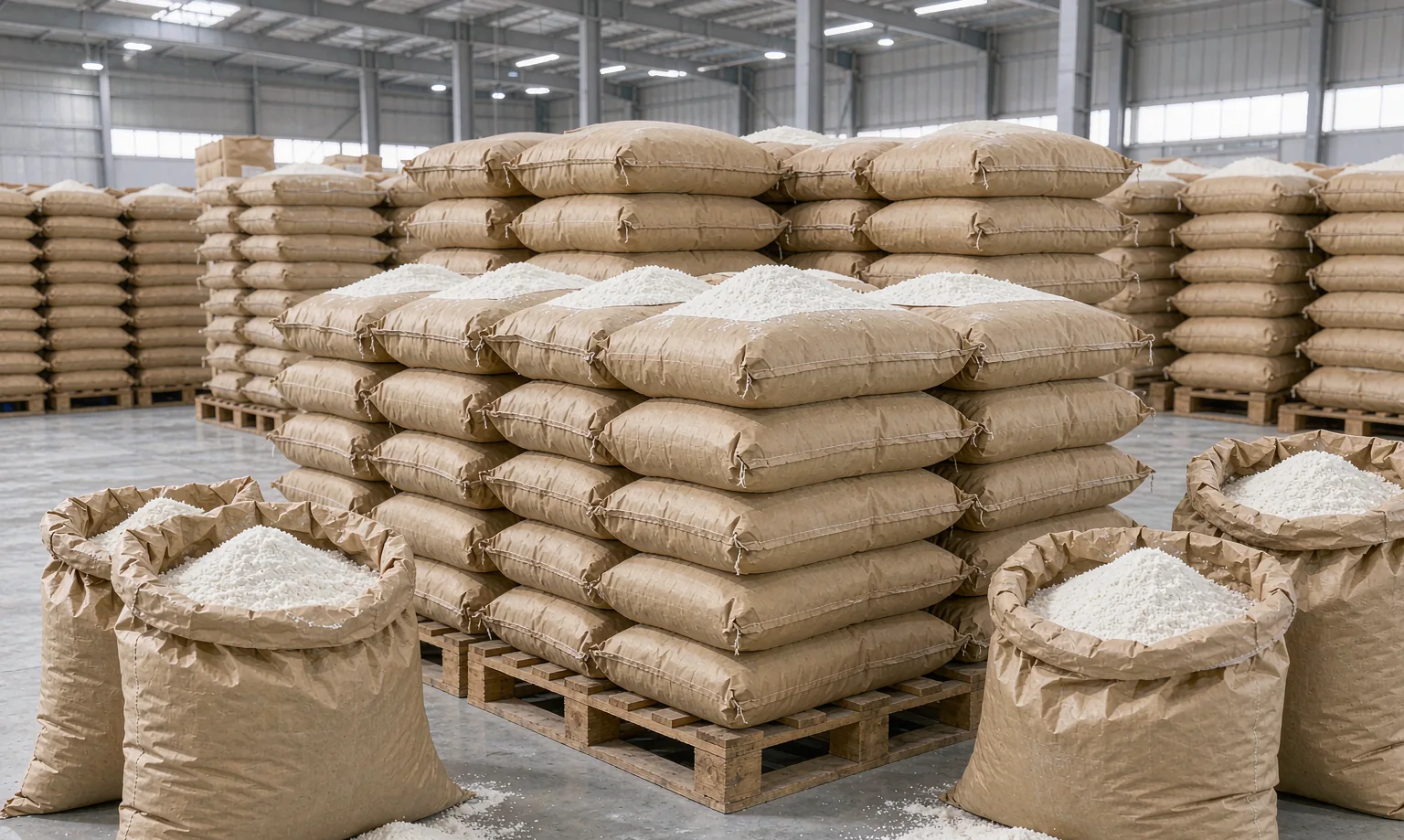
Practical receiving checks cover package condition, lot identity, appearance, dissolution behavior and a simple reference test.
Record the result and the acceptance decision, and escalate a deviation under the site quality procedure.
Normalize commercial comparisons
Compare delivered cost on active polymer and include preparation, consumption and handling in the total.
Keep the active-content and dose basis with the quotation so offers stay comparable.
Require change notification
A formulation, process or specification change can affect performance without changing the name.
Ask for advance notice and define the evidence needed before a changed lot is used routinely.
Keep a retained reference
Retain a sealed sample of the approved lot and a preparation and test record.
A retained reference makes a later supply question answerable with a paired comparison rather than a guess.
Read the COA against the agreed limits
A COA is only useful when its values are compared with the fields and limits written into the purchase specification. A passing-looking sheet with different test methods proves little.
Check that each COA field uses the agreed method and falls inside the stated acceptance limit.
Keep a retained sample that can be re-run
A retained sample is useful only if it is labelled with code, lot and date and stored under the stated conditions. Without that, a later dispute has no reference.
Hold a small sealed sample from each approved lot and record where it is stored.
Close deviations with a decision
A deviation record should end with an explicit accept, reject or re-test decision and the name of who made it. An open note without a decision is not quality evidence.
Require the decision and approver on the record before the lot is released or returned.
Check documents against the destination
Export consignments may need origin, analysis and safety documents in the format required by the destination. What satisfies one market may not clear another.
Agree the document set with the buyer and the carrier before shipment so the lot is not held at the port.
Keep the lot record traceable end to end
A lot record should connect the approved sample, the production code, the COA, the shipping documents and the receiving check under one identity.
File them together so a later quality question can be answered by retrieval rather than by recollection.
Read the COA values, not just the title
A certificate is useful only if its active content, charge or viscosity figure matches the method used during qualification.
Compare the lot values with the approved record and query a mismatch before the material is released.
Make the retained sample usable
A retained sample helps only if it is sealed, labelled with code and lot, and stored under the same conditions as the product.
Set a review date and keep the preparation and test record with it so a comparison is meaningful.
Keep a deviation record that closes
A deviation should end with a documented decision, not with an informal dose adjustment that hides the cause.
Record the observation, the investigation, the decision and any change to the receiving check.
Carry the product evidence into purchasing
Use the demonstrated feed, preparation and separation window to bound a commercial proposal. The appropriate next purchase checks are Changing Polyacrylamide Polymer Supplier: Crossover Approval; Polyacrylamide Polymer First Delivery: Lot Acceptance; Polyacrylamide Polymer Storage and Shelf Life: Order Planning; Polyacrylamide Polymer Export Shipment: Document Checks; Multi-Plant Polyacrylamide Polymer Supply: Site-Specific Approvals.
Retain candidate and production codes with the trial record. Resolve untested feed conditions, preparation changes and documentary requirements before accepting a routine supply substitution.